
Meal planning is one of the most frequently recommended uses for consumer AI tools. The pitch is simple: give the system a few constraints and receive a week of dinners, a shopping list, and less daily decision fatigue. In practice, most demonstrations stop at the generated plan. They rarely follow the plan into the kitchen or compare it against what a family actually buys and eats.
This AI at Home test ran the experiment properly. I used a current general-purpose AI tool to generate a full week of family dinners under realistic constraints, shopped from the resulting list, cooked the meals, and then compared the outcome against the grocery receipts and the household’s actual experience. The goal was not to see whether AI could produce recipes. It was to see whether the end-to-end process reduced friction, controlled cost, and produced meals the family would eat without major revision.
Test Setup and Constraints

The household parameters were ordinary:
Two adults and one school-age child
Weeknight cooking time usually limited to 30–40 minutes
Mix of omnivore preferences with one strong dislike (olives) and a preference for familiar flavors over experimental ones
Goal of minimizing both food waste and last-minute takeout
Budget target roughly aligned with the family’s normal weekly grocery spend for dinners
I gave the AI the following instructions in a single prompt thread:
Seven dinners for a family of three
Total active cooking time under 40 minutes on weeknights
Use ingredients that are easy to find in a standard U.S. supermarket
Prefer recipes with overlapping ingredients to reduce waste
Include two meals that could generate leftovers suitable for lunch
Avoid olives and unusually specialized ingredients
Produce a consolidated shopping list organized by store section
I did not iteratively refine the plan for perfection. The point was to test a realistic first-pass result that a busy person might actually use.
The Plan the AI Produced
The AI returned a coherent seven-day sequence: one sheet-pan meal, two pasta-based dinners, a taco night, a simple stir-fry, a soup-and-bread meal, and a breakfast-for-dinner option. The shopping list was grouped by produce, protein, dairy, pantry, and frozen. Quantities were mostly reasonable for three people, with a few over-estimates that are common in generated lists.
On paper the plan looked usable. The real test was execution and cost.
Execution: What Happened in the Kitchen
I shopped primarily from the AI-generated list, buying additional breakfast and lunch staples as usual. During the week I cooked six of the seven planned dinners (one night was overtaken by a schedule change and became leftovers plus a simple side). I tracked three things: whether the meal stayed within the time limit, whether anyone rejected it, and how much of the purchased food was actually used.
Results by Meal
Sheet-pan chicken and vegetables: Worked as planned. Minimal active time, easy cleanup, no complaints.
Pasta with sausage and greens: Slightly longer than estimated because of prep, but still acceptable. Leftovers were eaten.
Taco night: Reliable and popular. The AI had over-estimated tortillas and cheese; both were used later in the week.
Stir-fry: Fast and flexible. The sauce quantities needed adjustment downward.
Soup and bread: Low effort and well-received. Produced good leftovers.
Breakfast-for-dinner: Quick and popular with the child. Higher cost per calorie than most other meals but low friction.
Unused planned meal: Replaced by leftovers and a simple omelet when the evening schedule collapsed. No waste resulted because proteins had been chosen for flexibility.
No meal was a complete failure. Two required minor on-the-fly adjustments for seasoning or quantity. None produced the kind of specialized leftover ingredients that often languish after an ambitious plan.
The Grocery-Receipt Comparison
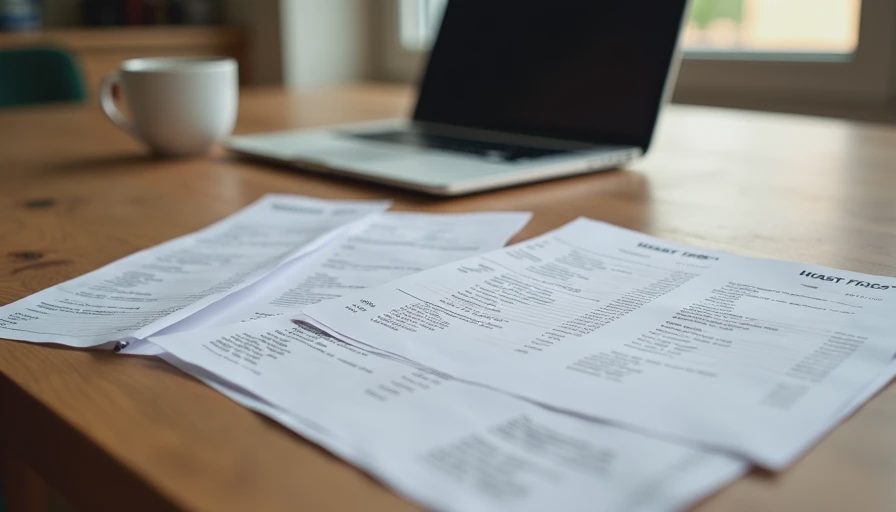
The AI-driven dinner plan plus normal household staples produced a total grocery bill within about 8% of the family’s average weekly spend for a comparable period. The difference was not dramatic in either direction.
Where the AI List Helped
Reduced duplicate purchases and “I think we need more” impulse items
Created enough ingredient overlap that few single-use items were left at the end of the week
Made the shopping trip faster because the list was already organized
Where the AI List Fell Short
Slight over-purchase of a few perishables (fresh herbs and one package of protein)
No awareness of what was already in the pantry or refrigerator, so a short manual cross-check was still required
Quantities were calibrated more for recipe perfection than for flexible family appetite; a few items needed scaling
The receipts confirmed that the plan did not inflate the bill. They also showed that the AI could not replace a quick inventory of existing food. The best result came from using the generated list as a primary draft and then editing it against the actual kitchen.
Friction and Time Accounting
The planning stage itself took under fifteen minutes, including the initial prompt and a light review of the output. That was meaningfully faster than building a week of meals from scratch or from scattered recipe bookmarks.
The larger time question was whether the plan reduced evening decision load. It did. On five of the six cooked nights the question “what’s for dinner?” was already answered, and the ingredients were present. The mental savings were more noticeable than the pure cooking-time savings.
The system was not zero-maintenance. One meal needed a mid-week substitution when a key ingredient under-performed. The plan also assumed a consistent level of evening energy that real weeks do not always provide. Having built-in leftover potential proved more valuable than having seven perfectly distinct recipes.
What Worked and What Did Not
Effective Patterns
Constraining the AI with real time limits, dislike lists, and family size produced more usable output than open-ended requests.
Asking for ingredient overlap reduced waste more effectively than asking for maximum variety.
Treating the shopping list as a draft rather than a mandate kept the process flexible.
Including at least one or two very low-effort meals improved compliance when the week became busy.
Persistent Limitations
The AI had no visibility into existing pantry stock or what the family had eaten recently.
Taste preferences beyond simple exclusions were hard to capture in a single prompt.
Generated plans still required a human to validate quantities and total workload.
Schedule disruptions (the normal kind) immediately tested the plan’s flexibility; rigid sequences performed worse than plans with built-in buffer meals.
Practical Recommendations for Families
If you want to test AI meal planning yourself, the following approach produced the best balance of speed and realism:
Give clear constraints: number of people, time limit, strong dislikes, and any equipment limitations.
Request a consolidated, sectioned shopping list rather than seven separate recipe lists.
Cross-check the list against what you already have before shopping.
Build in at least two meals that can expand or contract easily (soup, tacos, stir-fry, pasta).
Accept that one night will probably deviate and plan for leftovers to absorb the disruption.
Run the experiment for a full week and compare the receipt and the stress level against your normal pattern.
AI is currently better at reducing the planning and shopping overhead than at replacing the cook’s judgment. Used as a drafting tool with light human editing, it can lower daily decision friction without increasing cost or waste. Used as an autonomous meal director, it still falls short of real household conditions.
The grocery receipts provided the clearest verdict: the AI-assisted week was neither dramatically cheaper nor more expensive than usual. It was, however, quieter. Fewer last-minute decisions and fewer “what do we have?” inventories added up to a noticeable reduction in evening load.
Before you hand meal planning to any tool, make sure the output is something your household will actually cook and eat—and that the process still works when the week does not go according to plan.


No letters yet — be the first guest to write.