
The purchase price of a smart-home device is the number that appears in reviews and on the checkout page. It is also one of the least useful figures for deciding whether the device belongs in a household.
A smart plug that costs twenty dollars can generate years of small costs: electricity, app maintenance, eventual replacement, and the occasional evening spent troubleshooting why the light no longer responds. A security camera with an attractive hardware price can quietly add a monthly subscription that exceeds the original cost within two years. A full lighting or climate system can look affordable at installation and become expensive once every bulb, sensor, and hub is factored into a longer timeline.
The real monthly cost is the only number that lets a family compare options honestly and decide what is worth living with.
Why the Sticker Price Misleads
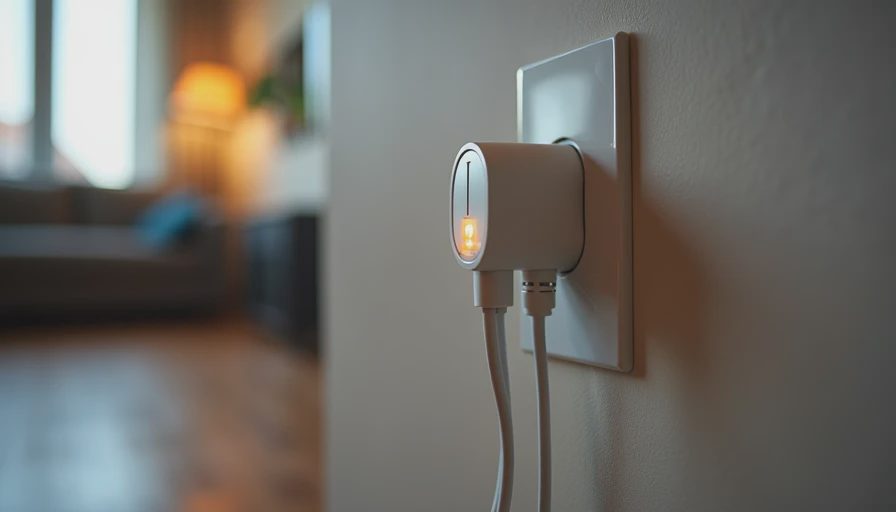
Smart-home marketing and most reviews focus on capabilities and upfront cost. Households experience something different: recurring charges, energy use, replacement cycles, and time spent keeping the system working.
The Costs That Rarely Appear in Product Listings
Monthly or annual subscriptions required for full functionality
Electricity consumed by devices that stay powered continuously
Replacement of batteries, bulbs, or failed units
Hub or bridge hardware that becomes necessary later
Time spent on setup, updates, and troubleshooting (a real cost even when no money changes hands)
Opportunity cost of locked-in ecosystems that make future changes expensive
Ignoring these items produces optimistic decisions. Including them produces clearer ones.
A Practical Framework for Real Monthly Cost
The goal is not perfect accounting. It is a good-enough estimate that reveals which devices and systems are quietly expensive.
Step 1: List Every Smart Device and Service Currently in Use
Start with the household technology inventory if you have one. Include:
Bulbs, plugs, switches, and sensors
Cameras, doorbells, and locks
Thermostats, air monitors, and appliance integrations
Speakers, displays, and hubs
Any subscription tied to those devices (cloud storage, advanced features, monitoring)
Group them by function (lighting, security, climate, audio, etc.) so patterns become visible.
Step 2: Capture the Obvious Recurring Money Costs
For each device or service, record:
Cost Type | How to Estimate | Notes |
|---|---|---|
Subscription | Monthly fee or annual fee ÷ 12 | Include only what you actually pay |
Expected replacement | Purchase price ÷ realistic years of use | 3–5 years is realistic for many consumer devices |
Batteries or consumables | Annual spend ÷ 12 | Sensors and some cameras are common offenders |
Hub or bridge amortization | Cost of required hub ÷ years of expected use ÷ 12 | Only if the hub exists because of this device category |
Add these together for a baseline monthly money cost per device or per category.
Step 3: Add Electricity Where It Matters
Most individual smart bulbs and plugs use very little power. The total can still become noticeable across dozens of devices, and some categories (displays, always-on cameras, hubs) draw more.
A simple approach:
Check the device specification for watts, or use a common estimate (many always-on smart devices draw 1–5 watts).
Multiply by 24 hours and then by the number of days in a month.
Convert to kilowatt-hours and multiply by your local electricity rate.
For most households it is enough to calculate this for the higher-draw devices and apply a small flat estimate to the rest. The point is awareness, not laboratory precision.
Step 4: Assign a Rough Value to Time
Time is harder to price but still real. A device that requires fifteen minutes of intervention twice a month has a cost. A system that needs regular re-pairing, app updates, or explanation to other family members has a higher one.
A workable method:
Estimate minutes spent per month on maintenance and troubleshooting for each major category.
Assign a simple household value to that time (even a modest figure such as $20–30 per hour makes the trade-off visible).
Convert to a monthly amount.
If the time cost feels too speculative, track it for one month. Most families discover that a few problematic devices account for the majority of the attention.
Step 5: Roll Everything into a Monthly Figure
For each device or category:
Real Monthly Cost ≈ Subscriptions + (Purchase Price ÷ Years of Use ÷ 12) + Batteries/Consumables + Electricity + Time Value
Then sum the categories. The household total is usually more informative than any single device number.
Worked Example: A Modest Smart-Home Setup
Assume a household with the following:
12 smart bulbs (average $15 each, expected 4-year life)
6 smart plugs ($20 each, 4-year life)
1 video doorbell ($150, 4-year life, $6/month cloud plan)
1 smart thermostat ($200, 6-year life, no subscription)
1 hub ($100, 5-year life)
Assorted sensors (total $120, 3-year life, occasional batteries at $15/year)
Rough monthly calculation:
Subscriptions: $6
Hardware amortization: bulbs ≈ $3.75, plugs ≈ $2.50, doorbell ≈ $3.13, thermostat ≈ $2.78, hub ≈ $1.67, sensors ≈ $3.33 → ≈ $17
Batteries: ≈ $1.25
Electricity: modest flat estimate ≈ $3
Time: one moderately fussy device category averaging 20 minutes/month at $25/hour ≈ $8
Approximate real monthly cost: $35–40
The original hardware outlay may have felt manageable. The ongoing monthly figure is the one that should be compared against the actual daily benefit.
How to Use the Number
Compare Against Benefit, Not Against Zero
A $40 monthly real cost is not automatically too high. It is too high only if the household does not receive roughly that much value in convenience, security, energy savings, or reduced friction. Many families find that a few high-value devices justify their cost while a long tail of low-use gadgets does not.
Identify the Expensive Outliers
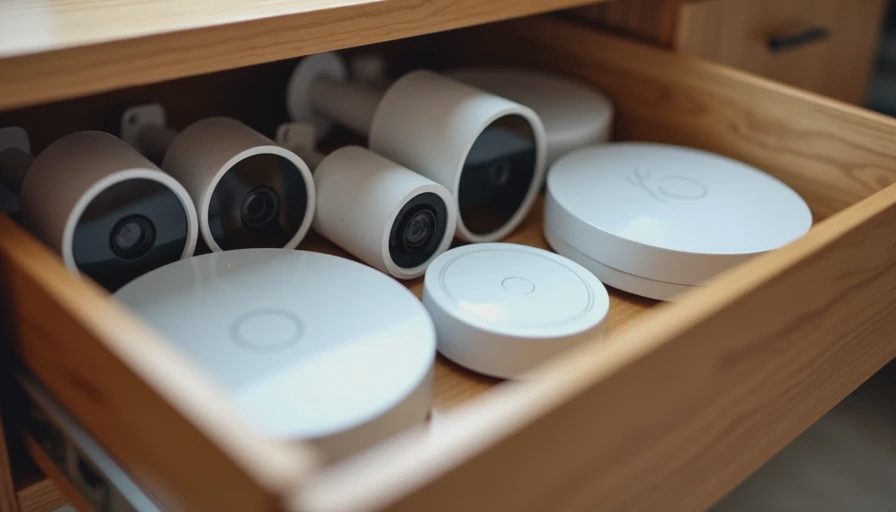
The calculation usually reveals that a small number of devices or subscriptions dominate the total. Those are the first candidates for replacement, downgrade, or removal. Devices that cost little and create no time burden can often stay even if their use is occasional.
Test New Purchases Against the Same Standard
Before adding another device, estimate its real monthly cost using the same method. Include any new subscription it requires and any additional complexity it adds to the existing system. If the number feels high relative to the problem it solves, the device is probably not ready for the house.
Revisit Annually
Subscriptions change. Devices fail. Usage patterns drift. A light annual recalculation keeps the picture accurate and prevents silent cost growth.
Common Patterns That Inflate Real Cost
Feature subscriptions that outlast the need. Cloud storage or advanced automation fees that continue after the household has stopped using the features.
Ecosystem lock-in. Cheap endpoint devices that require an expensive hub or force future purchases from the same brand.
Over-deployment. Putting smart bulbs or plugs in locations where a ordinary switch or timer would have been sufficient.
Neglect of reliability. Devices that need frequent resetting effectively add a labor cost that never appears on a credit-card statement.
Avoiding these patterns does more to control cost than hunting for the lowest hardware price.
The Decision Standard
Calculate the real monthly cost. Compare it to the actual reduction in friction or increase in capability the system provides. Keep the devices and services that clearly pay for themselves on those terms. Retire or avoid the rest.
A smart home that is worth living with is one whose ongoing cost remains visible and justified. The sticker price is only the beginning of the conversation.
Before you buy the next device or renew the next subscription, make sure you can live with the real monthly number.
No letters yet — be the first guest to write.