The simplisafe video doorbell pro is aimed at households that want a recognizable face at the front door without building an elaborate smart-home system. It combines a wired doorbell camera with the SimpliSafe security ecosystem, app alerts, and optional professional monitoring. That sounds simple, but a useful decision requires more than looking at the camera resolution. You need to count the setup time, monthly cost, Wi-Fi demands, privacy tradeoffs, and number of times someone has to fix it.
Before you buy it, make sure you can live with the wiring requirement and the way video features are tied to SimpliSafe's service plans. This is not a battery camera you can place anywhere in ten minutes. It is a front-door component that works best when your existing doorbell wiring, transformer, Wi-Fi signal, and household routines are already in reasonable shape.
What the SimpliSafe Video Doorbell Pro actually requires
The SimpliSafe Video Doorbell Pro is designed to replace a traditional wired doorbell. Installation generally involves removing the existing button, connecting the low-voltage wires, securing the camera, and adding it through the SimpliSafe app. If your home has no doorbell wiring, damaged wiring, or a transformer that does not provide suitable power, the easy weekend project can become an electrician visit.
The camera needs a dependable Wi-Fi connection near the entryway. A strong signal in the living room does not guarantee strong coverage through an exterior wall, metal door, brick facade, or garage. Before installation, stand near the planned location with a phone and test your home network. If the phone struggles there, the doorbell will not magically solve the problem.
The device is most useful when paired with a SimpliSafe base station and account. Depending on the features and plan available when you purchase, live video, recording, alerts, and monitoring can have different requirements. SimpliSafe has changed plan structures and equipment lineups over time, so confirm current compatibility before ordering an older listing from a marketplace.
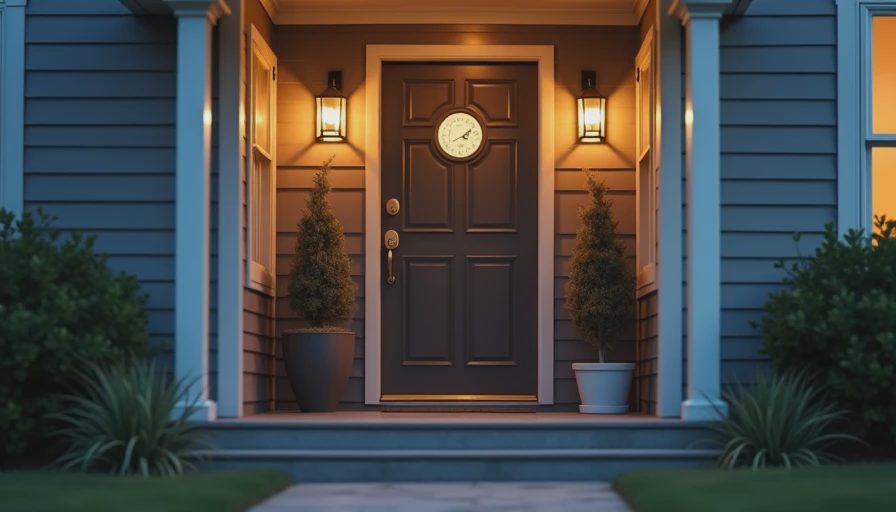
Daily experience for a busy household
A front-door camera earns its place by reducing interruptions. A package notification while you are helping with homework is useful. A clear view of a delivery person is useful. A stream of motion alerts from headlights, tree branches, neighborhood pets, or passing cars is not. The camera's position and detection settings matter as much as the hardware.
The simplisafe video doorbell pro can fit a household that already uses SimpliSafe for entry sensors, alarms, or monitoring. One app is easier for many families than juggling separate Ring, Nest, Eufy, and security applications. Shared access also matters. A spouse, older child, or trusted relative should be able to see the relevant alert without borrowing the primary account holder's phone.
There is still a human maintenance cost. Someone has to review notification settings, update the app, respond to a low-battery warning from another device, and decide how long recordings should remain available. A camera that creates ten unnecessary alerts each day becomes background noise within a week. Set activity zones carefully and keep the camera aimed at the approach to the door rather than the whole sidewalk.
Video quality, two-way talk, and night use
A doorbell camera does not need cinematic video. It needs a usable face, readable package placement, and enough context to understand why motion occurred. The simplisafe video doorbell pro offers the familiar features shoppers expect from this category, including live viewing, motion notifications, and two-way communication through the app. Actual usefulness depends on lighting, internet upload speed, mounting height, and the visitor's distance from the lens.
Wide-angle coverage can show a package near the threshold while also capturing someone approaching from the walkway. That wider view can introduce distortion at the edges, so do not assume every face will look equally clear. Night performance also depends on porch lighting. A bright light behind a visitor can turn a person into a silhouette, while a modest light aimed toward the approach can improve identification.
Two-way talk is convenient for delivery instructions, but it is not a substitute for answering the door. The audio may have a short delay, and a visitor may not hear you over traffic or wind. Test the talk feature from several feet away before relying on it for a child arriving home or a service appointment.
Subscription cost and the real ownership math
The hardware price is only one part of the decision. SimpliSafe commonly sells equipment separately from optional professional monitoring, while video storage and related app features can depend on the selected plan. Pricing, promotional bundles, and eligibility can change, especially for older Pro-branded equipment. Read the current plan page and equipment compatibility details instead of trusting a retailer's short product description.
For a family budget, compare three scenarios. First, price the doorbell with only the capabilities available without a recurring plan. Second, price the camera with cloud recording and useful video history. Third, price it as part of a broader SimpliSafe alarm package. A doorbell that costs $100 to $200 upfront can become a noticeably different purchase when a monthly subscription is added for several years.
The simplisafe video doorbell pro makes the most financial sense when it replaces a separate security service or consolidates equipment you already planned to buy. If you only want an occasional live view of packages, a standalone camera with no required subscription could be cheaper. If you want alarm monitoring, sensors, and video in one household workflow, the recurring cost may feel more reasonable.

Privacy and account management
A doorbell camera records an area shared with neighbors, visitors, delivery workers, and guests. That makes privacy a household setting, not just a technical setting. Tell regular visitors that the camera is active, avoid aiming it through a neighbor's window, and use available privacy or activity controls to limit unnecessary coverage.
Protect the SimpliSafe account with a unique password and available multifactor authentication. Review which household members have access, remove old users after a move or breakup, and avoid sharing one login in a group text. A camera account can expose more than a single clip; it can reveal arrival times, school routines, and when the house appears empty.
Cloud video also creates a retention question. Recordings are convenient after a missed delivery or neighborhood incident, but keeping every clip indefinitely increases exposure and clutter. Choose the shortest history that meets your practical needs. The goal is a reliable record when something matters, not an endless archive of ordinary mornings.
Better alternatives and a sensible buying process
Choose the simplisafe video doorbell pro when you already own SimpliSafe equipment, have usable wired doorbell power, and value one security app over maximum camera flexibility. It is less compelling when your entryway lacks wiring, your Wi-Fi is weak at the porch, or you strongly prefer local video storage and no subscription.
Ring Video Doorbells offer a large accessory and integration ecosystem, while Google Nest models can make sense for households already committed to Google Home. Arlo and Eufy approach the category differently, with various combinations of subscriptions, local storage, and battery options. None is automatically better. The right choice is the one your family can maintain after the first month.
Before buying, photograph the existing doorbell wiring, measure the available mounting space, test Wi-Fi at the door, and verify the transformer situation if the current chime behaves strangely. Confirm whether your preferred video history requires a plan. Then decide who will receive alerts and what happens when the internet goes down. A camera with no connection can still be a physical doorbell, but its smart features will be unavailable.
Final assessment for family tech stacks
The simplisafe video doorbell pro is a practical ecosystem purchase, not a universal best doorbell. Its strongest case is a household that already wants SimpliSafe security and would rather manage one app than assemble several brands. Its weak points are the wired installation, possible subscription dependence, aging-product compatibility questions, and the maintenance work hidden behind “smart” convenience.
The demo is not the daily experience. The daily experience is a child asking who is at the door, a delivery arriving during dinner, and an alert that needs to be meaningful rather than merely loud. If the wiring, Wi-Fi, plan, and privacy settings all fit your home, this doorbell can become a quiet, useful part of the security routine. If they do not, a newer standalone model may be the less frustrating choice. Count the setup time, the monthly cost, and the number of times someone has to fix it before you commit.

No letters yet — be the first guest to write.