The appeal of simplisafe home security systems is easy to understand: a household can buy a starter kit, place sensors around the house, and avoid the complexity of a traditional professionally installed alarm. For busy parents, that sounds less like a gadget purchase and more like removing one task from an already crowded week. The important question is whether the system remains simple after installation, during a false alarm, and when someone forgets to close the basement door.
SimpliSafe is a modular security platform built around a base station, keypad, entry sensors, motion sensors, cameras, and optional professional monitoring. You can begin with a small package and add equipment later. That flexibility is useful for renters, first-time alarm owners, and families who want coverage without wiring every room. It also creates a planning problem: buying sensors at random can leave you with expensive equipment in places that do not improve security much.
What you actually get in a SimpliSafe setup
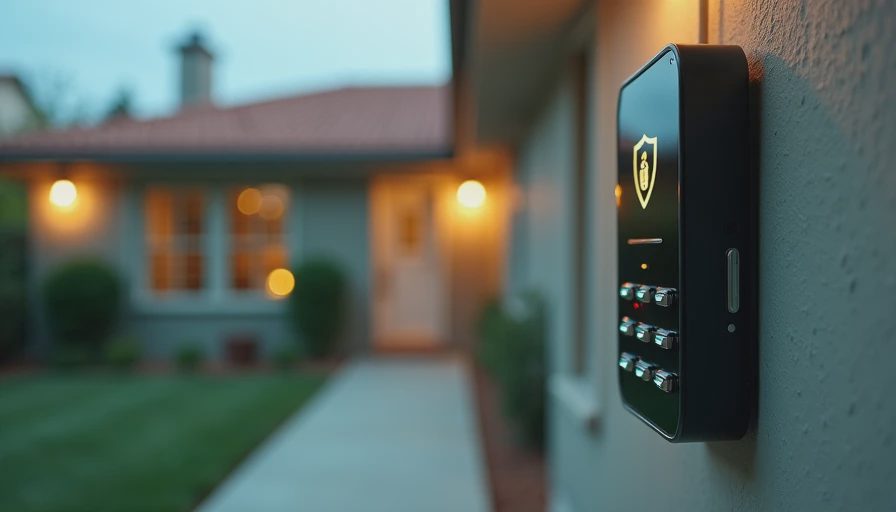
A typical package includes a base station and keypad, along with several sensors selected for doors, windows, or room movement. The base station is the hub. It connects the system’s components and communicates with the monitoring service, while the keypad gives household members a physical way to arm or disarm the alarm. That matters when a child, babysitter, or visiting grandparent does not have access to your phone.
Entry sensors are usually the first priority. Put them on the main exterior doors, the door from the garage into the house, and accessible first-floor windows. A motion sensor can cover a broad room, but placement matters if you have pets, ceiling fans, or a hallway that everyone crosses during normal routines. Water and smoke sensors address a different category of risk and can make the system useful even when nobody is trying to detect an intruder.
The best simplisafe home security systems plan starts with a floor map, not a shopping cart. Walk through your home at night and identify the doors, windows, and transition points that would matter if the family were asleep.
Installation is manageable, but planning still takes time
SimpliSafe is designed for do-it-yourself installation, and adhesive-backed components generally reduce the need for tools. A basic setup can be completed in an afternoon, especially in an apartment or small ranch home. Larger houses take longer because each sensor needs a location, a battery check, and a test with the base station.
Before sticking anything to a wall, label each sensor in the app or keypad. “Back door” is useful; “sensor 4” is not. Clear names reduce confusion during an alert and help a monitoring agent understand what happened. Photographing the installed locations is also worthwhile if you rent or expect to move.
Keep the base station somewhere central, not hidden in a metal cabinet or shoved behind a television. It needs dependable communication with the sensors and a location where its status can be heard. Test the alarm with every household member. A system nobody knows how to silence becomes a source of panic at 6:30 a.m., not a useful safety tool.
Monitoring plans and the real monthly cost
The equipment price is only the first line of the budget. SimpliSafe offers self-monitoring options and paid professional monitoring plans, with features and prices subject to change. Self-monitoring can reduce the monthly bill, but it also makes the household responsible for seeing an alert, confirming what happened, and contacting emergency services when appropriate.
Professional monitoring is more expensive, yet it can be valuable when everyone is driving, sleeping, or away from home. Some plans include features such as alarm verification, app controls, video-related services, or cellular backup. Read the current plan details carefully rather than choosing based on a promotional headline. A low introductory price is not the same as a predictable long-term cost.
For a realistic budget, add the starter kit, extra sensors, replacement batteries, cameras, and the monthly subscription. A modest installation might stay near a few hundred dollars, while a larger home with cameras and environmental sensors can climb substantially higher. Compare that total with local alarm companies, which may include installation or equipment financing but often involve contracts.
Cameras, privacy, and household boundaries
Cameras add context that door sensors cannot provide, but they also create the largest privacy conversation in the house. A camera pointed at a porch is different from one pointed at a living room, bedroom hallway, or child’s play area. Decide who can view recordings, how long clips should be retained, and whether every adult in the household understands the settings.
SimpliSafe cameras can be useful for checking a package, confirming whether a pet triggered motion, or seeing why an alarm sounded. They also introduce Wi-Fi dependence and more notifications. If the camera sends movement alerts for every passing car, people will eventually ignore the alerts that matter.
Use strong, unique account credentials and enable available multifactor authentication. Keep the mobile app updated, review shared access periodically, and avoid giving temporary visitors permanent account privileges. Privacy is not a reason to reject connected security equipment; it is a reason to configure it deliberately.
How the system fits into everyday family life
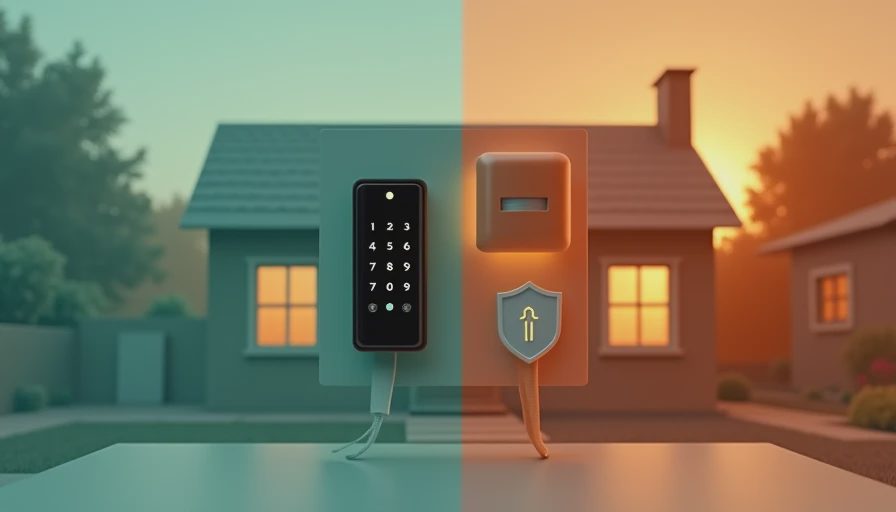
The demo is not the daily experience. A security system succeeds when arming and disarming fit naturally into departures, bedtime, and school mornings. Set a consistent routine: one person checks the doors, another arms the system, and everyone knows the entry delay. If the app, keypad, and voice assistant all behave differently, choose one primary method and teach it clearly.
Consider the ordinary failure points. A child opens a protected door to get a forgotten backpack. A delivery arrives while the dog is loose. Someone cooks near a smoke sensor. A family member loses their phone. Build those situations into your plan instead of treating them as surprises. Keep the keypad accessible, store backup instructions securely, and make sure trusted adults know the temporary code process.
If you use smart-home integrations, add them slowly. Automatically turning on lights when an alarm activates can be helpful. Creating a complicated chain of locks, cameras, speakers, and routines can make troubleshooting difficult. Reliability beats cleverness when the system is responding to a genuine emergency.
Where simplisafe home security systems fit best
Simplisafe home security systems make the most sense for households that want flexible equipment, do-it-yourself setup, and the choice between self-monitoring and professional monitoring. They are particularly practical for renters, smaller homes, and families who do not want a long installation appointment. The straightforward hardware can also suit people who are comfortable managing an app but do not want to build a full smart-home platform.
They are less appealing if you need deeply customized automation, hardwired commercial-grade equipment, or a single provider responsible for every part of installation and maintenance. A large property may require careful sensor placement and additional equipment, which reduces the advantage of a simple starter kit. If internet reliability is poor, study the system’s available backup communication features before committing.
Before you buy it, make sure you can live with it. Count the setup time, the monthly cost, the number of batteries, and the people who will need to use the keypad. Then compare simplisafe home security systems with at least one professionally installed option and one self-monitored alternative. The right choice is not the package with the most sensors. It is the system your family can operate calmly, maintain consistently, and trust when the household is busy.
No letters yet — be the first guest to write.